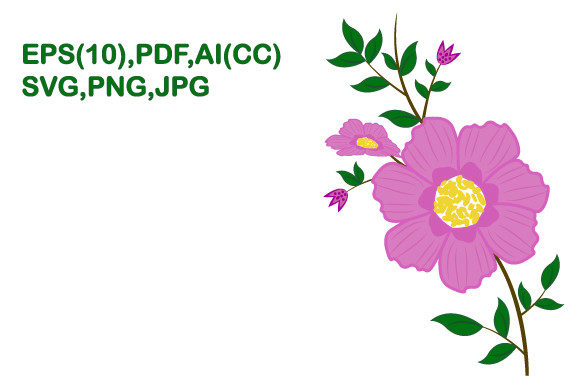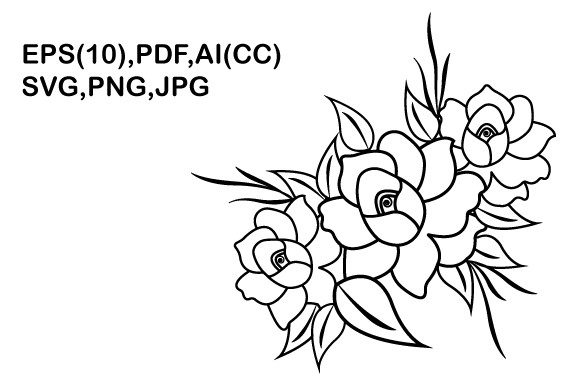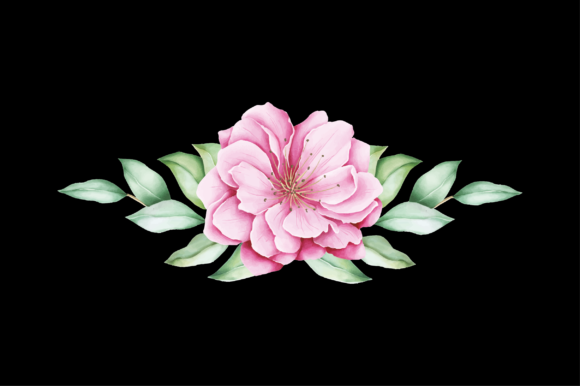
Watercolor Flower Vector Illustration for Blog and Web Design
As a seasoned blog designer and digital publisher, I always look for graphic design assets that can elevate the visual storytelling of content. The Watercolor Flower Vector Illustration caught my attention immediately with its soft, artistic appeal. This illustration feels like a breath of fresh air in editorial design—gentle, inviting, and full of character.
A Lifestyle-Focused Visual Mood
The Watercolor Flower Vector Illustration carries a distinct lifestyle-focused mood. It’s feminine, playful, and has an artistic flair that leans into the seasonal and decorative. This makes it a natural fit for niches like wellness, gardening, floral design, or even fashion and beauty blogs. The delicate strokes and pastel tones evoke a sense of calm and creativity, which can subtly influence reader perception by creating a warm and approachable atmosphere.
It’s not overly professional or modern, but it does have enough versatility to blend into both creative and educational content spaces. If your content is meant to feel personal, artistic, or slightly whimsical, this illustration will support that tone beautifully.
Real Publishing Use Cases for Watercolor Flower Vector Illustration
This graphic design asset opens up a variety of publishing possibilities. Here are just a few ways I see it fitting into real-world editorial workflows:
- Blog Featured Images: Perfect for introducing posts about floral arrangements, DIY crafts, or mindfulness practices.
- Pinterest Graphics: The soft aesthetic aligns well with Pinterest’s visually driven platform, making it ideal for pins related to home decor, self-care, or seasonal themes.
- Article Headers: Adds a decorative touch without overwhelming the reader, especially on articles with a relaxed or inspirational tone.
- Newsletter Banners: Ideal for email campaigns targeting lifestyle audiences, where a gentle visual cue can reinforce brand identity.
- Downloadable Resources: Great for use in printable guides, worksheets, or digital product covers that aim to feel handcrafted or personal.
- Social Media Previews: Enhances the visual appeal of social media posts and helps improve click-through rates from platforms like Instagram or Facebook.
Its clean lines and subtle textures also make it adaptable to different layouts, whether you're working with a minimalist web design or a more decorative editorial layout.
How It Boosts Content Performance
Incorporating the Watercolor Flower Vector Illustration into your content strategy can lead to several performance benefits. It strengthens the first impression of your content by adding a polished and clickable visual element. When paired with strong headlines, it helps create a clearer visual hierarchy, guiding readers’ eyes toward important information.
This design asset supports better category recognition, especially when used consistently across blog headers or newsletter banners. It also contributes to stronger brand identity, helping your content stand out in a crowded digital marketplace. For bloggers and content creators looking to build trust and authority, the presence of well-designed graphics can significantly enhance reader perception of professionalism and quality.
Where This Illustration Works Best
The Watercolor Flower Vector Illustration shines brightest in hero images, article thumbnails, Pinterest pins, and blog graphics that need a touch of personality. It works exceptionally well as an editorial accent within content upgrades, downloadable resources, and category visuals. In a newsletter header or social media preview, it adds a layer of charm that encourages engagement.
When placed alongside serif fonts, script fonts, or handwritten styles, it complements the overall design theme, reinforcing a cohesive and thoughtful visual identity.
Use with Caution in These Scenarios
While this illustration is versatile, it may not be the best choice for every situation. Avoid using it in small mobile thumbnails where details might get lost. It’s also not ideal for text-heavy blog images or low-contrast backgrounds, where it could interfere with readability.
For serious professional niches, corporate content, or websites that require a very minimal visual system, this design might feel too decorative. Always test it in context—preview it inside a real blog layout and check how it looks with headline text. Ensure that the contrast between the illustration and background is sufficient for optimal readability.
Publisher Notes and Practical Tips
Before using the Watercolor Flower Vector Illustration, take the time to test it on desktop and mobile screens. Check how it looks as a thumbnail and ensure it maintains its visual appeal at smaller sizes. Preview it inside a real blog layout and experiment with different font pairings, such as placing it beside serif, sans serif, script, or display fonts.
Review the file size for web performance and compress images properly if needed. Also, confirm commercial licensing before using it on monetized websites, affiliate pages, or paid content products. This is crucial for maintaining legal compliance and protecting your brand.
Whether you’re building a Canva template, designing a digital guide, or enhancing your website header, this graphic design asset offers a unique opportunity to add visual interest and emotional resonance to your content marketing efforts.
Final Thoughts on Watercolor Flower Vector Illustration
The Watercolor Flower Vector Illustration is a valuable addition to any designer’s toolkit, particularly for those focused on lifestyle, creative, or editorial content. Its ability to enhance visual storytelling, strengthen brand identity, and improve reader engagement makes it a great choice for bloggers, publishers, and digital marketers looking to create content that stands out.
If you're searching for a design asset that feels both artistic and functional, this illustration delivers on all fronts. Whether you're creating Pinterest pins, blog featured images, or downloadable resources, it's sure to bring a touch of elegance and personality to your work.