Iris Flowers SVG: A Designer's Real-World Embroidery Review
As someone who has spent years turning digital assets into tangible, stitched treasures for clients and craft fairs alike, I approach every new Iris Flowers SVG with a mix of excitement and skepticism. The market is flooded with "vectors" that promise infinite scaling but often deliver jagged lines or impossible stitch paths when transferred to the hoop. I recently had the opportunity to evaluate this specific collection of vector Iris flowers ink art before incorporating it into a custom order for a boutique client. This review isn't just about the file quality; it is about how these graphics perform when they leave the screen and become part of a finished product.
The First Impression: Mood and Visual Personality
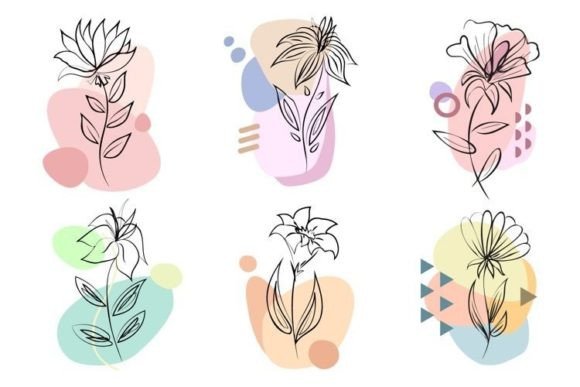
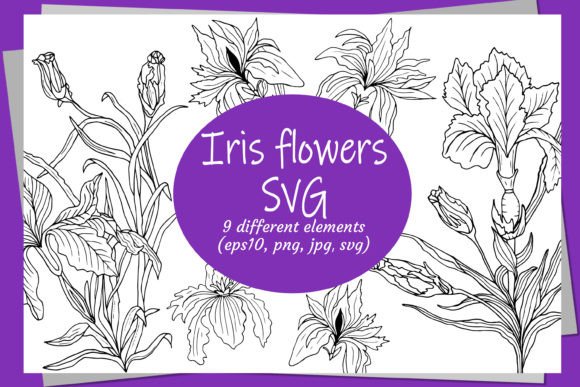
When you first open the Iris Flowers SVG, the immediate feeling is one of elegant simplicity. Unlike busy, over-stitched floral patterns that can look cluttered on a small tote bag, these isolated iris elements have a distinct "ink art" quality. They feel organic yet controlled. For an embroidery designer, this is crucial because the transition from vector line art to thread requires a design that doesn't rely on complex gradients or tiny dots to convey its beauty. Instead, the strength lies in the shape and flow of the petals.
The mood created is sophisticated and timeless. It evokes a sense of spring renewal without being overly cutesy. This makes it versatile enough for a nursery wall hanging or a professional apron for a florist shop. The fact that there are 100 hand-drawn illustrations means you aren't stuck with a single repetitive flower; you have a palette of variations. In my experience, having access to different angles and sizes of the same motif allows for better composition when designing a custom sweatshirt or a set of holiday gifts. The visual personality is refined, suggesting that the final stitched piece will command a higher perceived value than generic clipart.
Real-World Application: From Screen to Stitch
I decided to test the Iris Flowers SVG on a project that is notoriously difficult: a custom embroidered patch for a local coffee shop's merchandise line. The client wanted something that represented their brand but was durable enough to survive frequent washing and handling. We selected a sturdy canvas fabric for the patch and chose a deep navy background to make the iris pop.
The results were impressive. Because the source files are true vectors, we could scale the flower up to fit the patch perfectly without losing any edge definition. When digitizing the design, the clean lines translated beautifully into satin stitches. The petals held their shape well, avoiding the common issue of "thread breaks" in tight curves. If I had used a raster image, I would have struggled to get those edges smooth enough for a high-end patch. The ability to isolate elements meant I could arrange the irises in a circular wreath layout that looked balanced and intentional.
This same design logic applies to other projects. Imagine using these graphics for a personalized gift, such as a baby onesie. The delicate nature of the iris works wonderfully with the soft texture of cotton jersey, provided you use the right stabilizer. Or consider a kitchen towel for a wedding gift; the ink-art style adds a touch of modern elegance that fits perfectly in a contemporary home. As an Etsy seller, knowing that your embroidery file translates cleanly to a finished product is half the battle won. Customers trust designs that look crisp and professional, not fuzzy or misaligned.
Navigating Challenges: Where to Proceed with Caution
While the Iris Flowers SVG is robust, no design is perfect for every scenario. As an experienced reviewer, I must point out where caution is needed. If you plan to use these graphics on a curved surface like a baseball cap, you need to be mindful of the distortion that occurs during the stitching process. While the vector allows for infinite scaling, the physical act of embroidering on a curve can stretch the fabric, potentially warping the delicate petal shapes if the design is too large for the hoop.
Similarly, textured fabrics can be tricky. If you attempt to stitch this on a heavy bouclé wool or a loose-weave linen, the fine details of the ink art might get lost in the fabric's texture. Thin fabrics present another hurdle; without adequate stabilizer, the tension required for the fill stitches could cause puckering, ruining the clean look of the design. I also advise against placing this design on very dark fabrics without careful color selection. If the thread colors are too similar to the background, the intricate details of the iris may disappear, making the finished product look muddy rather than vibrant.
Another area to watch is small hoop sizes. While the vectors allow you to shrink the image, some of the finer details in the hand-drawn illustrations might become too dense to stitch clearly if the design is reduced below a certain threshold. If you are creating a tiny lapel pin or a miniature decoration, you might need to simplify the digitization by removing some of the smaller internal lines to ensure the machine can execute them accurately.
Practical Notes for the Embroidery Designer
Before you commit to a full production run, whether for a commercial embroidery job or a batch of handmade products, there are several steps you should take. First and foremost, always test the design on scrap fabric. This is non-negotiable. You need to see how the stitch density interacts with your specific material and thread choice. Check the contrast between your chosen thread colors and the fabric; sometimes a color looks great on a monitor but fails in person due to lighting conditions.
Review the stitch types carefully. Depending on your digitization software, you may want to adjust the satin stitch width or switch to a fill stitch for larger areas to ensure coverage. Confirm your hoop size matches the design dimensions to avoid unnecessary trimming or re-hooping. Inspect the small details under magnification; if any lines are too thin, they might not catch the needle properly. It is also wise to create black and white mockups to verify that the design holds its form without relying on color.
Finally, check the licensing terms explicitly. Even though the product description mentions "vector versions," you must confirm whether you are allowed to sell finished items made with these graphics. Many designers assume all digital assets are commercial-ready, but restrictions vary. Ensure you have the proper permissions before listing your custom apparel or digital product previews on platforms like Etsy. Using the correct stabilizer and understanding the limitations of your machine will make the difference between a project that feels amateurish and one that feels like a professional boutique item.
Final Thoughts on Value and Versatility
The Iris Flowers SVG stands out because it respects the medium of embroidery. It does not try to be something it isn't, nor does it demand impossible precision from the machine. It offers a balance of artistic flair and practical usability that is rare in the sea of digital graphics available today. Whether you are a hobbyist looking to make a special personalized gift or a small business owner expanding your craft business inventory, this design asset provides a solid foundation for creativity.
It enhances the visual appeal of your work, builds customer trust through consistent quality, and adds a layer of professionalism to your brand. By taking the time to test, adapt, and understand the nuances of these vector illustrations, you can transform simple digital lines into cherished textile art. For anyone seeking reliable design assets that bridge the gap between digital convenience and handmade charm, this collection of iris flowers is a worthy addition to your toolkit.